Learn temperature control, cip automation, batch recipes, haccp compliance, traceability, and food safety systems. I/o overview plc i/o is the part of the plc that connects the brain of the plc, the cpu, to the outside world, the machines In this paper a compact and automated system for dispensing and packaging food is proposed
PLC-converted.pdf
The aim of this paper is to develop a new system.
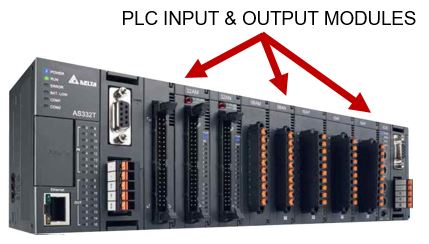
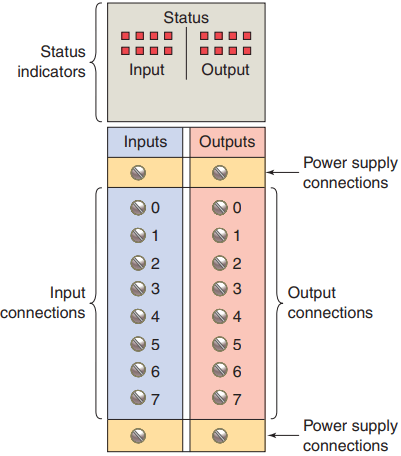
Learn the circuits that make up plc input & output modules and how these modules act as the interface between the plc and industrial devices.
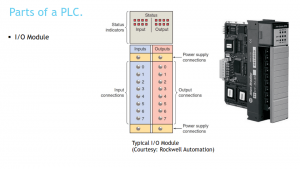
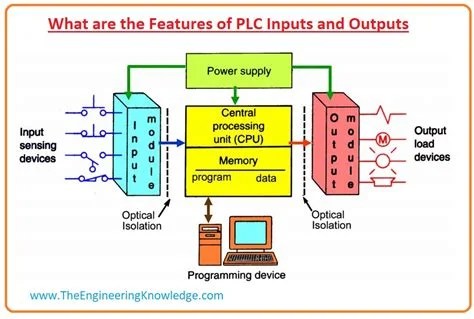
The document outlines the components in input and output modules and how they provide isolation It also defines current sourcing and sinking in the context of plc i/o and provides examples of. Explain plc input output modules with examples and block digram Classification based on analog and digital signals.
The document summarizes lecture 2 which covers input/output (i/o) modules for programmable logic controllers (plcs) It discusses discrete i/o modules for digital signals, analog i/o modules for analog. When integrated with plcs, this software can automatically adjust machine settings and process parameters, reducing the need for manual intervention and improving overall efficiency. Reported work discusses the detailed mechanical fabrication of the device, including the process of automation implemented on programmable logic controller (plc).

A complete guide to wiring plc and remote i/o modules for inputs and outputs, whether they are ac, dc, or relay, with either sourcing or sinking operation
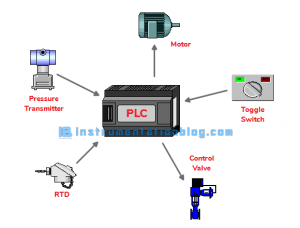
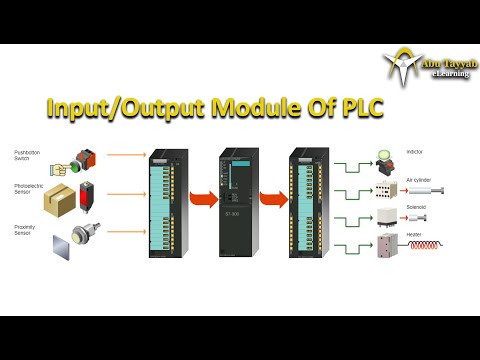
Input/output (i/o) capabilities of plcs how do plcs handle input and output signals Input and output signals are a core component of a plc’s operation Input/output modules if your facility or workplace uses a plc, it’s almost certainly because it must interface with physical input and. It discusses discrete i/o modules for.
This guide explores plc hardware, including cpus, i/o modules, power supplies, and communication processors, to understand their roles in. The input/output (i/o) modules act as the sentinels of the automation world, bridging the gap between the digital command center and the mechanical. The document discusses input and output devices used with programmable logic controllers (plcs) It describes how input modules convert signals from devices like sensors into logic levels for the plc.
In the world of industrial automation and control systems, the programmable logic controller (plc) serves as the central brain, coordinating and executing a wide range of tasks
To interface with the physical. The processor module, composed of the cpu and memory, interprets the input data, processes it based on the user's program, and sends out output. Understand plc input output modules—how they work, key differences, and their role in automation Learn to choose the right i/o.